
Leak-stopping priorities
We focus on the exact entry path, not just where water shows up inside. That usually means addressing flashing edges, penetrations, valleys, and ridge transitions.
Serving Beaumont, Texas & surrounding areas.
Emergency roofing service · Beaumont, Texas
When a leak starts or shingles come off, fast action limits interior damage. Get a rapid inspection, a clear plan to stop water intrusion, and repairs built for Southeast Texas storms.
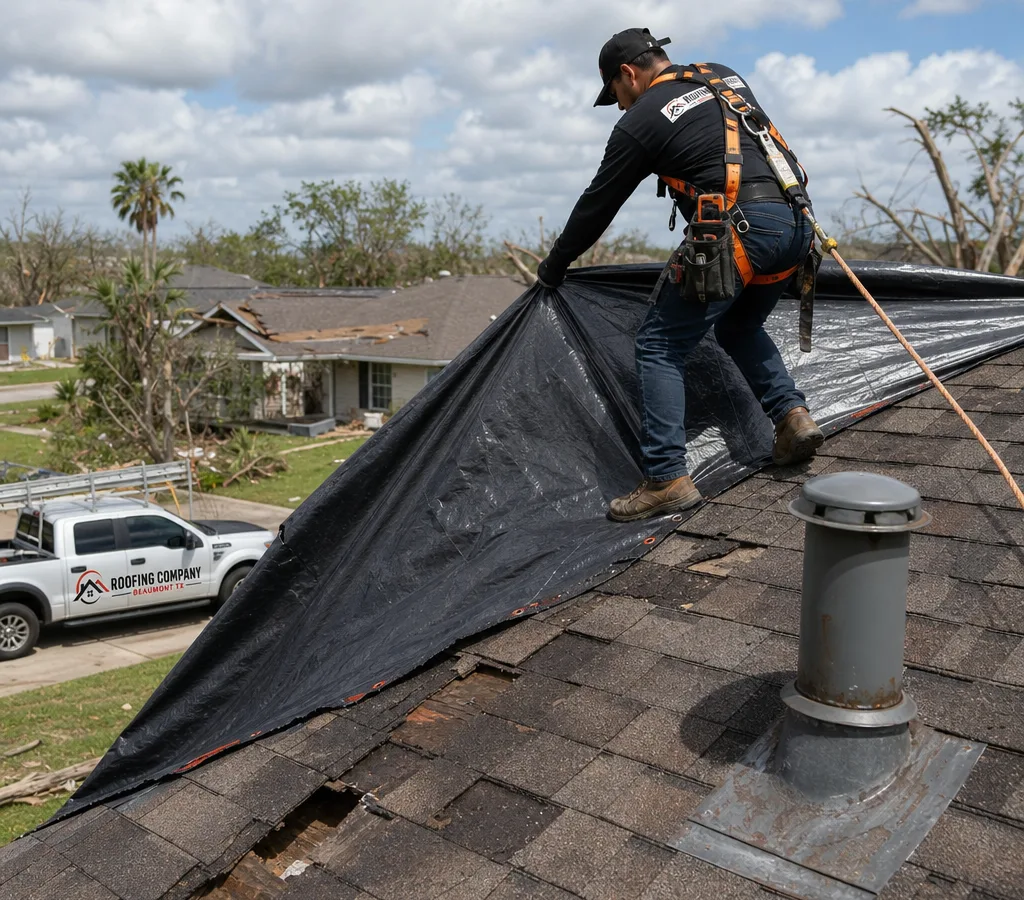
Protect the roof system first
If you need emergency roof repair in Beaumont, you are probably dealing with one of two problems: active leaking or visible storm damage that is about to turn into a leak. Either way, the goal is the same. Stop water intrusion first, then make a repair that holds up through the next round of wind-driven rain.
We handle urgent roof issues for homes across the area. We start withan on-roof assessment whenever it is safe, document the damage, and give you a written scope that explains what must happen right now versus what can be scheduled after the home is protected.
What counts as an emergency roof repair:
Beaumont weather can change quickly, and wind can push rain uphill under shingles. That is why emergency roof repair is less about a single quick fix and more about getting the roof system sealed at the right points: shingles, flashing, penetrations, and underlayment.
Call (409) 257-3497Immediate roof protection
The first priority is stopping water at the entry point. Interior buckets and towels help with cleanup, but they do not prevent more damage to decking, insulation, framing, and drywall.
Our emergency response typically includes:
Common mistakes that make emergency roof damage worse:
If you need broader help beyond the urgent repair, our local roofing company in Beaumont will triage the situation and map out next steps once the roof is dry and stable.
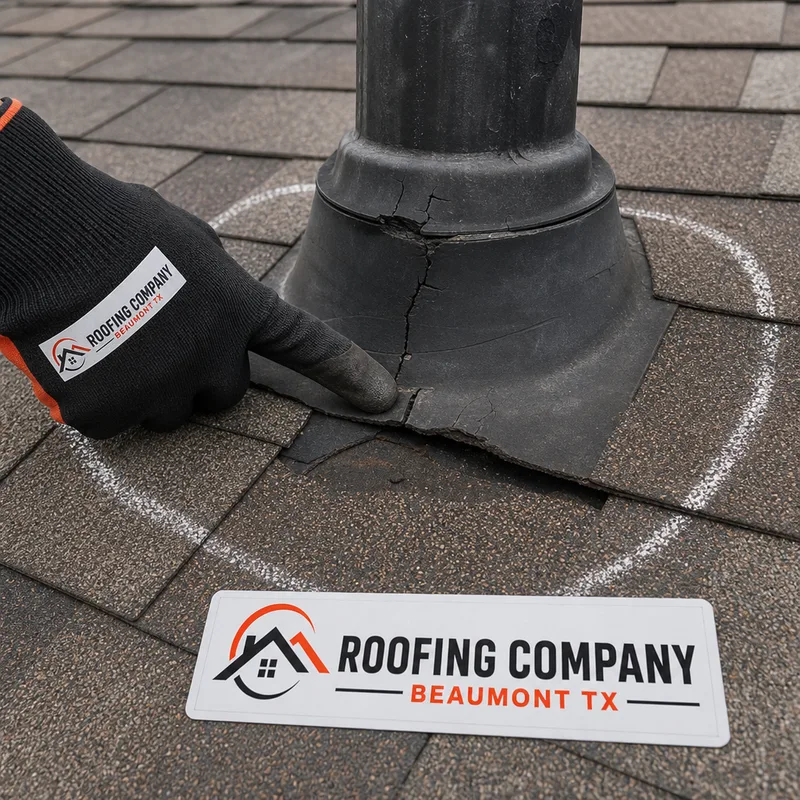
Urgent service with a defined scope
We focus on the exact entry path, not just where water shows up inside. That usually means addressing flashing edges, penetrations, valleys, and ridge transitions.
You get a clear explanation of the immediate stabilization versus the permanent repair, so you can approve the right work at the right time.
Repairs are built around wind uplift and wind-driven rain, using proper fastening patterns and correctly layered flashing where it belongs.
We document findings with photos so you can understand what failed and keep records if you need them for insurance or property files.
We protect landscaping where we can and use magnetic pickup and cleanup routines because urgent jobs still need safe jobsite habits.
Where urgent leaks begin
Emergency leaks are often caused by a small system failure rather than a huge hole. The most common places we trace leaks to include:
Beaumont has a mix of roof ages and materials, and we adapt the approach accordingly. In older parts of town like the Oaks Historic District, repairs can involve careful matching and more attention to brittle shingles. In West End, larger roofs on newer and mid-age homes mean more surface area and more vent penetrations to check. In South Park, mature trees can add limb-impact risk, while newer subdivisions in the Dowlen area may have multiple roof facets and vent penetrations that increase the number of flashing details requiring attention.
If your roof is actively leaking, the fastest path to a permanent fix is a targeted roof inspection that identifies the exact entry point and the water travel path in the attic.
Triage to final cleanup
We confirm the symptoms you are seeing, then verify safe roof access. If conditions are unsafe, we plan the safest temporary measures first.
We inspect the suspected slopes, penetrations, flashing, and transitions, then photograph the issues so you can see what failed.
If the roof is open or actively leaking, we stabilize it with tarping or targeted sealing and secure loose materials.
Once stable, we complete the proper shingle, flashing, pipe boot, valley, or decking repair required.
We check fastening and sealing points and clean the work zone so loose debris and stray nails are not left behind.
Planning the repair
Emergency roof repair typically ranges from about $350 to $1,500 for common leak fixes and small storm-damage repairs. Emergency tarping on its own usually runs about $200 to $1,000 for most homes, and more for large, steep, or multi-section roofs. After-hours, weekend, and holiday calls often carry an added call-out fee, commonly around $100 to $250. Larger repairs involving multiple areas, damaged decking, or complex flashing can run $1,500 to $4,000+. Emergency tarping is often reimbursable under a homeowners policy when the damage comes from a covered storm, so keep your receipt and photos. The exact cost is confirmed after an on-roof inspection and a written scope.
Call (409) 257-3497Answers before urgent work begins
Response time depends on weather and existing storm volume, but emergency roof repair is scheduled as a priority, especially for active leaks or exposed roof areas. If conditions are unsafe, the plan is to stabilize as soon as it is safe to get on the roof and guide you on immediate interior steps to limit water damage.
Yes, tarping is a common first step when shingles are missing, decking is exposed, or a repair needs dry conditions. A proper tarp install is anchored and positioned to shed water over the damaged zone, then the permanent repair is scheduled once the roof is dry.
We can provide photos and a written scope of what is damaged and what repairs are needed. Coverage and claim decisions are made by your policy and adjuster, but clear documentation supports the process.
Intermittent leaks are common with wind-driven rain. We trace likely entry points on the roof, look for staining paths in the attic, and use targeted diagnostics to isolate the failure area before recommending a repair.
It can be either. If the roof is open or actively leaking, we may stabilize it first and complete a permanent repair when conditions allow. If the failure point is clear and the roof is safe to work, the emergency visit can often end with a permanent repair.
Yes, many urgent leaks come from flashing, pipe boots, vents, and wall transitions rather than field shingles. Repair can include replacing or re-securing flashing components, resealing where appropriate, and correcting shingle integration so water sheds correctly.
Stop water intrusion
Tell us what you are seeing—leak location, missing shingles, or ceiling stains—and when it started. We will prioritize stopping water intrusion and provide a written scope so you can make the next decision with confidence.